The global energy transition is accelerating rapidly, with hydrogen expected to become a cornerstone of future low-carbon economies.

However, one critical challenge remains unresolved:

How can hydrogen be transported at scale without investing trillions of dollars in entirely new infrastructure?

While production technologies are advancing quickly, transportation infrastructure continues to be one of the largest barriers to hydrogen deployment worldwide.
Extremely high capital investment requirements

Long permitting and construction timelines

Environmental and land acquisition constraints

Complex regulatory approvals

Limited economic viability during early hydrogen adoption stages

In many regions, developing entirely new hydrogen infrastructure may require decades and substantial financial resources.

However, hydrogen behaves very differently from natural gas.

Key concerns include:

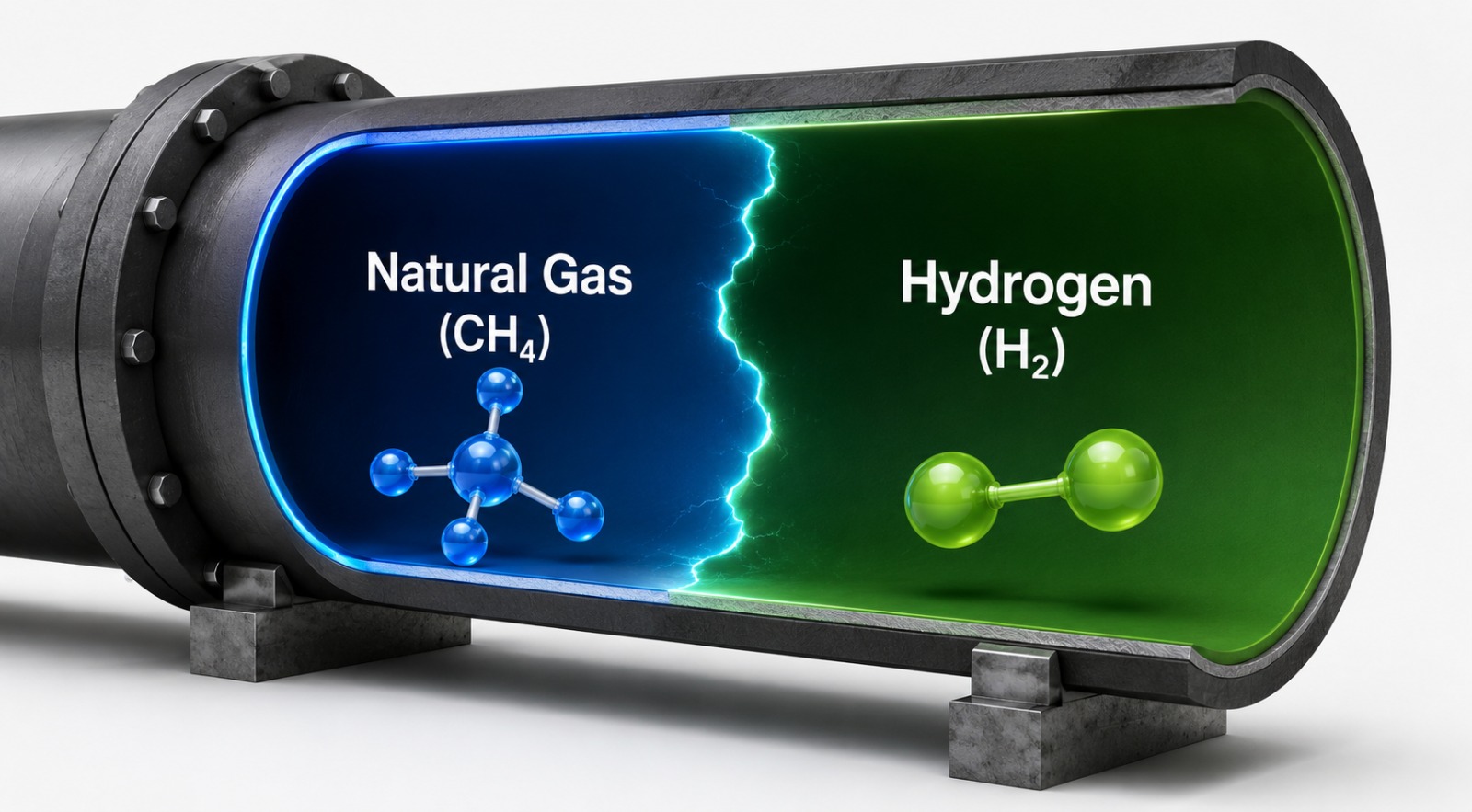
Natural gas versus hydrogen in pipeline cross-section
  • Hydrogen embrittlement
  • Increased leakage potential
  • Material compatibility issues
  • Pressure and flow behavior changes
  • Long-term integrity uncertainties

Without proper engineering assessment, repurposing pipelines may introduce significant operational and safety risks.

Most existing evaluation approaches rely on:

  • Manual engineering assessments
  • Static calculations
  • Limited inspection data
  • Fragmented decision-making processes

These methods often fail to provide:

  • Predictive risk analysis
  • Real-time monitoring capabilities
  • Integrated integrity management
  • Data-driven operational recommendations

As hydrogen deployment scales globally, a smarter and more proactive approach becomes essential.

If even a portion of these assets can be safely repurposed for hydrogen transportation, the world could:

Accelerate hydrogen adoption

Reduce infrastructure costs dramatically

Minimize environmental impact

Shorten deployment timelines by years

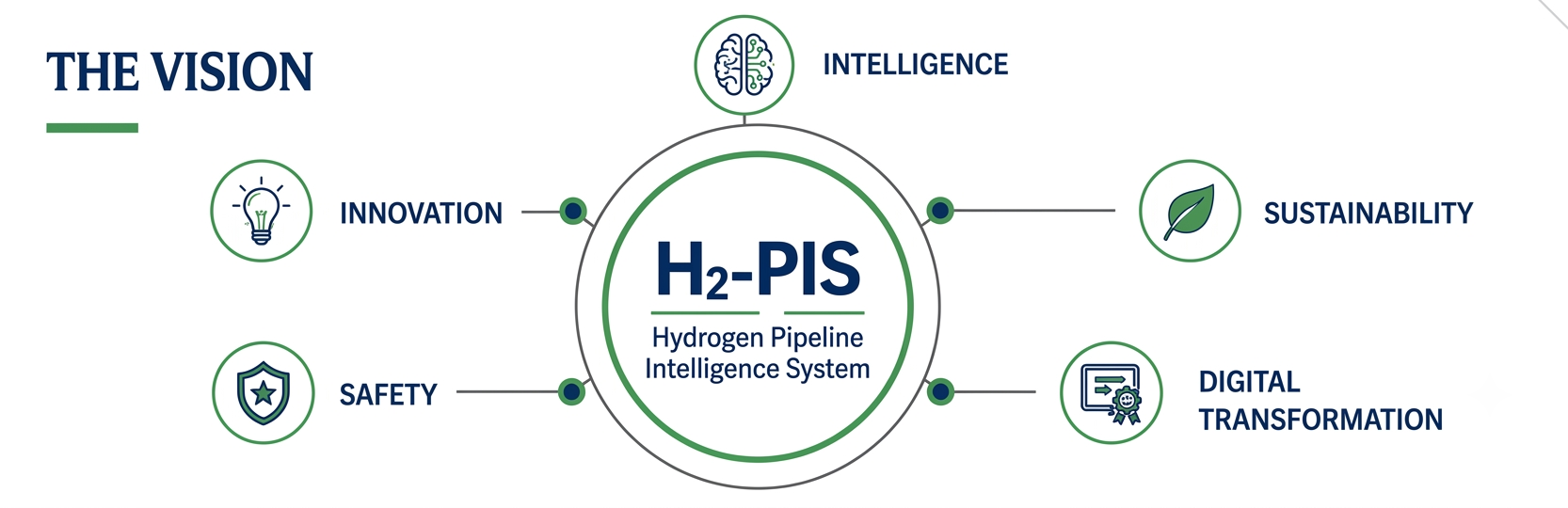
This opportunity creates an urgent need for intelligent engineering platforms capable of assessing, monitoring, and optimizing hydrogen pipeline readiness.

H2 opportunity — safe, intelligent, sustainable, efficient, scalable infrastructure
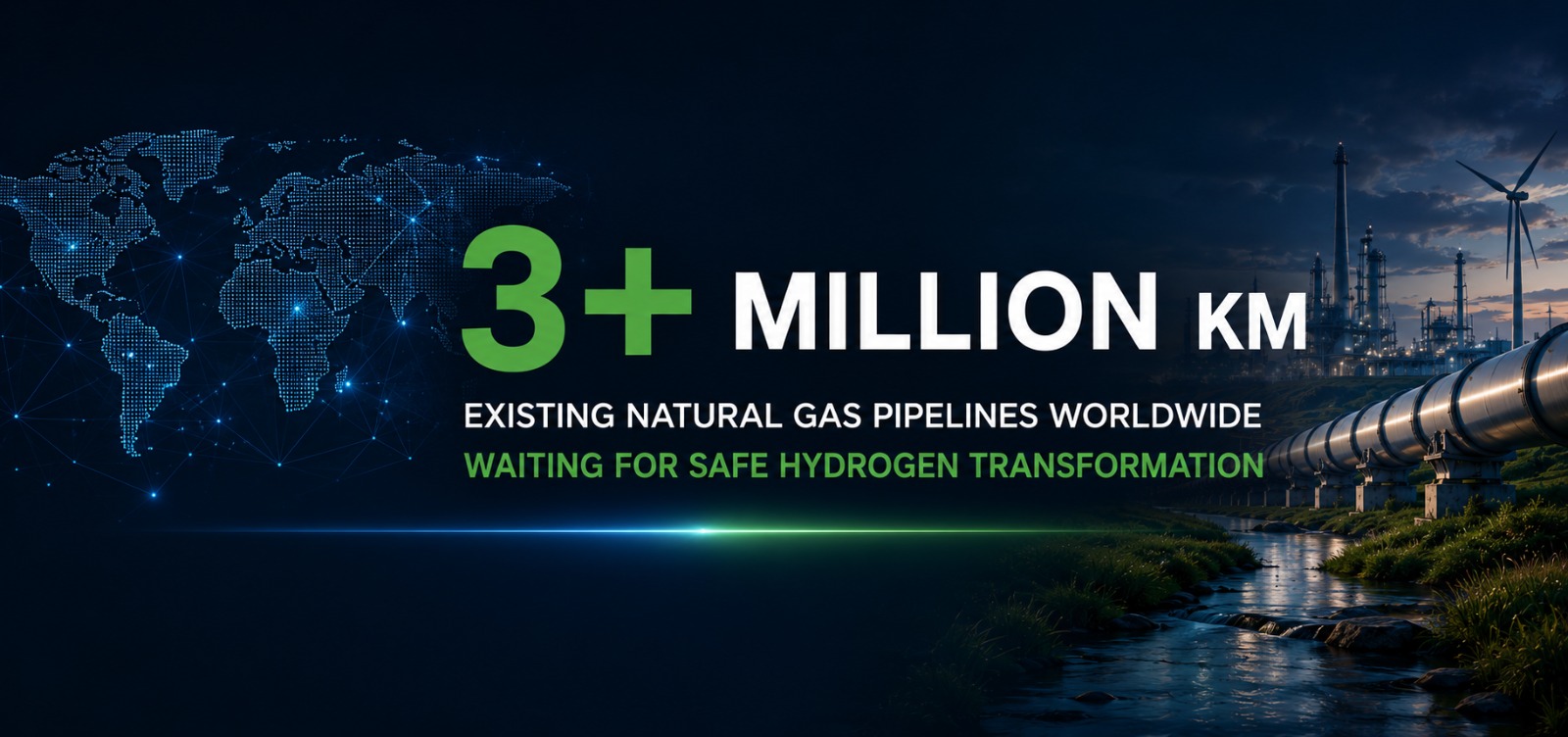
3+ million km of existing natural gas pipelines worldwide

¹ Hydrogen Council, 2023

² IEA, 2019